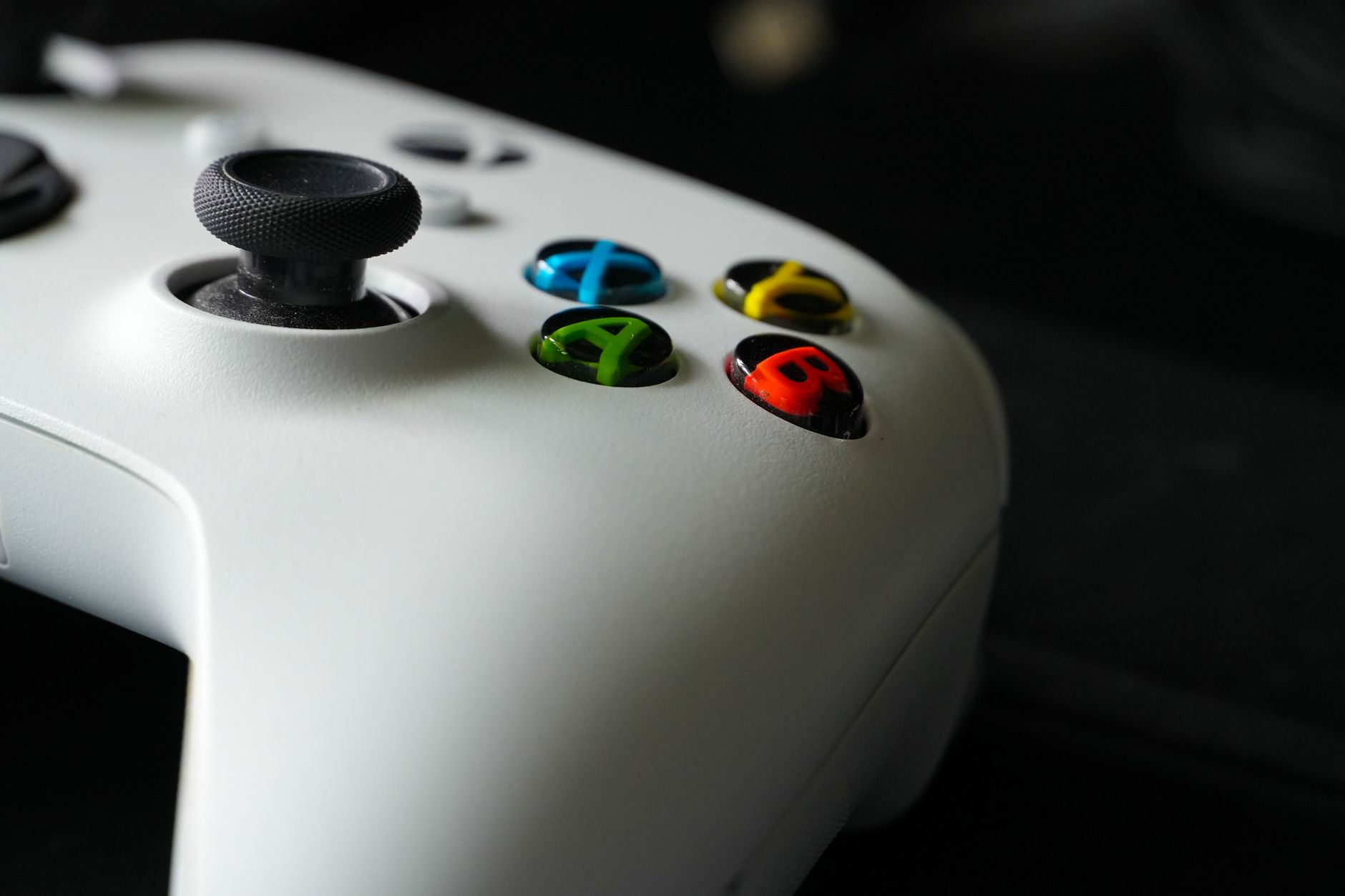
The eternal question, now with more genuinely good options than at any point in gaming history. In 2026 you can game on a powerful handheld that slides into a backpack, a console parked comfortably under the television, or a PC that doubles as a respectable space heater. Each of these is genuinely excellent. Each is also genuinely annoying in its own deeply specific way.
We are not here to crown a single winner, because there is not one. There has never been one and there never will be one. We are here to help you choose the option you will regret the least, which is the only honest goal in any hardware debate that does not end in a forum war.

Handhelds: Freedom With Compromises
Handheld gaming has evolved from a charming afterthought into a serious, mainstream category. Modern handhelds run real, demanding games, travel literally anywhere, and let you play in bed, on the couch, on a flight, or while pretending very convincingly to pay attention on a video call.
What is great: the portability is the whole pitch, and it delivers. Instant pick-up-and-play, no television required, and a steadily growing library that no longer feels like a compromise compared to the big screen. What is the catch: battery life is always finite and always shorter than you want, the most demanding games can push the hardware to its limits, and a small screen is, unavoidably, small. The handheld is the right answer for people whose lives refuse to sit still in one room.
Consoles: The Path of Least Resistance
The console is the comfortable, low-friction choice, and that ease is a genuine feature rather than an insult. You buy it, you plug it in, the games are built and tested specifically to run on that exact hardware, and you never once have to think about graphics settings, driver versions, or whether your machine meets the requirements.
What is great: simplicity, reliable and consistent performance, strong exclusive libraries you cannot get elsewhere, and a design built around the living room and the couch. What is the catch: online multiplayer usually requires a paid subscription, the hardware is locked in for years with no upgrades, and you are limited to whatever the platform decides to offer. The console is the answer for people who want to play games rather than maintain a computer.
PC: Maximum Power, Maximum Homework
A gaming PC is simultaneously the most capable option and the most demanding one. It can outperform everything else on the market, run essentially anything ever made, handle mods and emulation, and serve as your work and creative machine on the side. It can also quietly empty your bank account and consume entire weekends in driver updates, configuration tweaks, and forum threads titled "fix for stuttering, please help."
What is great: top-tier performance, total customization, enormous libraries with frequent and aggressive discounts, backward compatibility, and a thriving modding scene. What is the catch: a high upfront cost, ongoing maintenance, and a learning curve that occasionally turns "just play the game" into "first, let us spend an hour troubleshooting." The PC richly rewards people who enjoy the tinkering nearly as much as the playing.
How to Actually Choose
Set the spec sheets aside for a moment and answer a few honest questions about how you genuinely live, not how you imagine you might.
- Do you travel often or game in short, scattered bursts? A handheld fits your life.
- Do you mostly want to sit down on the couch and simply play without fuss? A console fits your life.
- Do you actively enjoy customizing, modding, upgrading, and chasing performance? A PC fits your life.
- Is budget the single deciding factor? Consoles tend to offer the most predictable upfront value, while patient PC owners win the long game on heavily discounted software.
The Plot Twist: You Might Want Two
Here is the secret that the platform-war crowd never wants to admit out loud. Plenty of happy gamers run a combination of two, and it works beautifully. A console for the living room paired with a handheld for travel is an extremely popular setup. A PC for serious, settings-maxed sessions paired with a handheld for relaxed couch play is another. Viewed honestly, the platforms are not really bitter rivals at all. They are tools optimized for different moments in your day.
Our practical take
Start with the platform that matches how you actually spend your time, not the one that wins a benchmark chart or an internet argument. The best platform, by a wide margin, is the one you will genuinely use. And the single most expensive mistake in gaming is buying for the idealized gamer you imagine becoming rather than the real one you already are. Buy for your actual life, and you will not regret it.
What About the Money Over Time?
The upfront price is only half of the cost conversation, and the cheaper-looking option is not always cheaper once the years roll by. Consoles tend to win the upfront comparison, since a single purchase gets you a complete, ready-to-play machine. But console software stays pricier for longer, and online play usually carries a subscription fee that quietly adds up across a generation.
PCs lose the upfront battle decisively and often win the long war. The hardware costs more to start and demands occasional upgrades, but the software ecosystem features frequent, aggressive discounts that can cut game prices to a fraction of console list prices. Over five or six years of heavy buying, a patient PC owner can come out ahead despite the steeper entry fee. Handhelds sit somewhere in the middle, with their value depending heavily on which ecosystem they are tied to and how their library is priced.
The honest summary is that no platform is universally cheapest. The cheapest setup is the one whose spending pattern matches your buying habits, which is a deeply personal calculation no spec sheet can run for you. A heavy buyer who waits for sales and a casual player who buys two games a year will reach completely different conclusions from the exact same hardware prices, and both will be correct about their own situation.
Common Mistakes Buyers Make
- Buying the most powerful option "to future-proof." Future-proofing is mostly a myth. Hardware ages regardless, and you usually pay a steep premium for power you will not fully use before it is outdated anyway.
- Ignoring the games you actually want to play. The platform that runs your specific must-play titles matters far more than abstract performance numbers. Start from the library, not the spec sheet.
- Underestimating the ongoing costs. Subscriptions, accessories, and storage are real and recurring. Factor them in before you decide what you can afford.
- Letting brand loyalty make the decision. Tribalism is fun in a forum and expensive in a store. Pick the tool that fits your life, not the team jersey you have always worn.
Avoid those four traps and you have already made a better decision than most buyers, regardless of which platform you ultimately choose.
Sources
- Entertainment Software Association, player platform and demographic reports
- Steam, Hardware and Software Survey
- Consumer electronics manufacturer specifications and product guidance