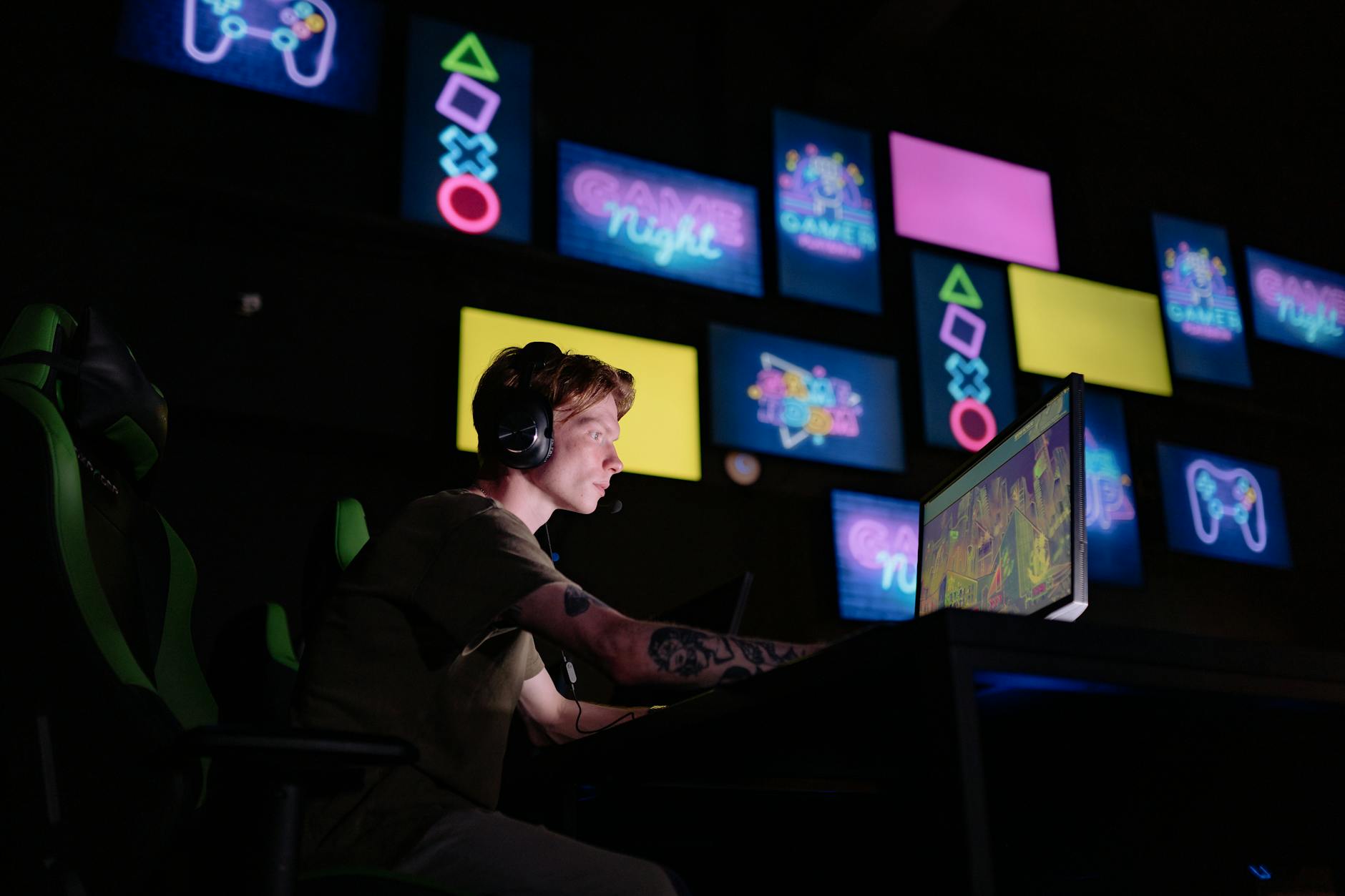
As gamers ourselves, we know the gaming industry can be serious business. But it's also full of humor and absurdity that often goes unnoticed or under-appreciated.
That's where we come in - to shine a light on these hidden gems while keeping our readers informed about what's really going on in the industry.

So when it comes to microtransactions, which are becoming more prevalent and complex by the day, we need to take a stand. We should highlight both their ridiculousness and their impact on gaming culture.
Our position? Let's call them out for what they are - greed disguised as convenience - but also show our readers how to navigate this brave new world without losing sight of why we love games in the first place. After all, laughter is the best medicine, even when it comes to serious topics like microtransactions.
Let's start with a little context. Microtransactions have been around since the dawn of time (or at least since 2002 when Microsoft introduced them with Xbox Live). They're essentially in-game purchases that let you buy things like extra lives, virtual currency, or cosmetic upgrades.
On paper, it seems like a pretty straightforward concept: if you want to progress faster or look cooler while doing it, you can just pay for it. But as with all things in life, there's more to this than meets the eye.
First off, let's talk about how ridiculous some of these microtransactions can be. We're not talking about buying extra lives in a game of Pac-Man here (although even that would qualify as absurd). No, we're talking about things like $25 for a hat in Destiny 2 or $100 for an emote in Fortnite. These are real examples, by the way, not made up for dramatic effect. And yes, people actually buy them.
Which brings us to our next point: impact on gaming culture.
Microtransactions have become so pervasive and complex that they're changing the way we play games. They're no longer just an optional extra; they're often necessary to fully enjoy a game.
Take Battlefront II, for example, which was infamously released with incredibly powerful characters locked behind paywalls. The backlash was so severe that EA had to delay the game and rework its progression system entirely.
But it's not just about the money (although let's be real, that's a big part of it). It's also about how these microtransactions affect our relationship with games. Do we play them because we love them or because we want to show off our shiny new hat? Are we progressing through levels because we enjoy the challenge or because we need those extra points to buy more stuff? These are questions worth asking, even if they don't have easy answers.
So what can we do about it? Well, for starters, we can be aware of what we're buying and why. We can question whether that $25 hat is really going to make us happier than spending time playing the game itself. And we can support developers who prioritize gameplay over microtransactions. Because at the end of the day, it's not about microtransactions themselves; it's about